
Major investments can help businesses expand, improve operations, increase capacity, or enter new markets.
A business might consider purchasing equipment, hiring additional employees, opening a new location, expanding inventory, upgrading technology, or investing heavily in marketing.
These decisions can create valuable opportunities, but they also involve financial commitments.
Before making a major investment, business owners need to understand not only what the investment costs today, but also how it may affect the business financially over the coming months.
This is where business financial forecasting becomes useful.
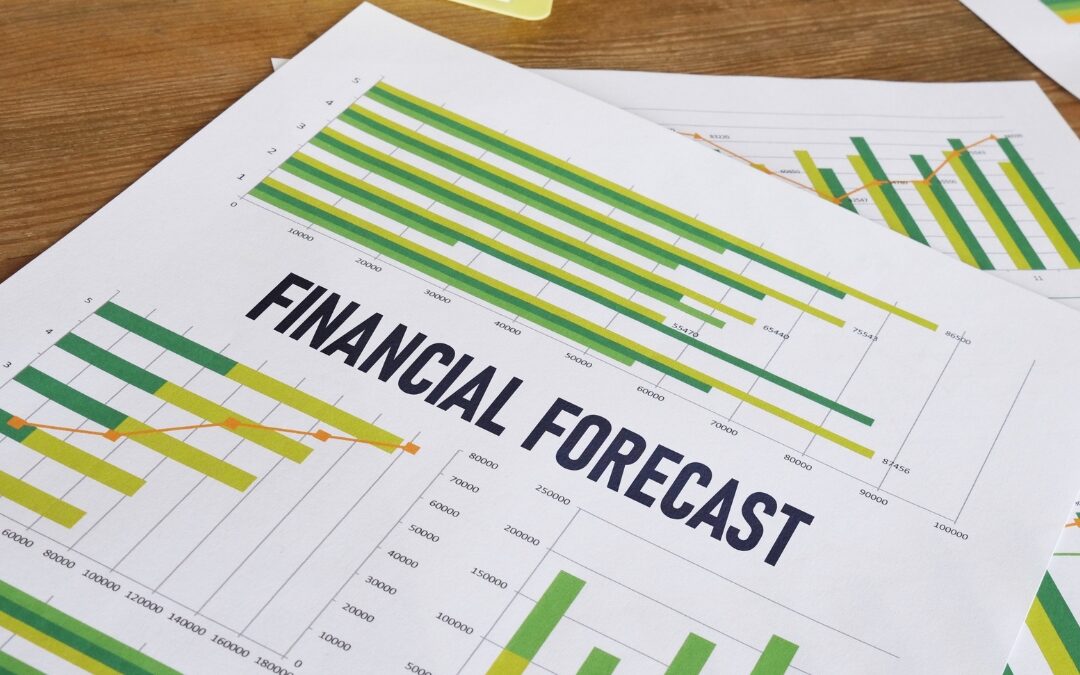
A financial forecast gives businesses an opportunity to estimate future revenue, expenses, cash requirements, and other financial factors based on available information and reasonable assumptions.
It does not predict the future with certainty.
Instead, it helps business owners consider different possibilities before committing significant resources.
💰 What Should a Business Consider Before Making a Major Investment?
A major investment should not be evaluated based only on its purchase price.
There may be additional costs associated with the decision.
For example, purchasing new equipment may involve installation, maintenance, training, insurance, or additional staffing.
Opening a new location may involve rent, utilities, renovations, employees, marketing, and other ongoing expenses.
A financial forecast can help businesses consider both the immediate and longer-term financial impact.
Business owners can review factors such as:
- Initial investment cost
- Expected additional revenue
- Additional operating expenses
- Payroll requirements
- Cash requirements
- Existing financial obligations
- Expected customer demand
- Timing of expected returns
- Potential changes in operating costs
Looking at these factors together can provide a more complete picture of the investment.
The objective is not to guarantee that an investment will succeed. Instead, forecasting helps business owners understand the financial assumptions behind the decision.
📈 Financial Forecasting Helps Compare Different Scenarios
One of the useful aspects of financial forecasting is that businesses do not have to rely on only one possible outcome.
A business can consider different scenarios before making an investment.
For example, a company considering a new location might create a forecast based on strong customer demand, moderate demand, and lower-than-expected demand.
Each scenario could have different revenue and expense assumptions.
This allows the business owner to consider questions such as:
What happens if revenue grows slower than expected?
What happens if operating costs are higher than planned?
How much cash would the business need during the early stages?
How long might the business need to support the investment before additional revenue covers the costs?
Considering these possibilities can help businesses prepare for different circumstances rather than assuming that everything will happen according to the most optimistic plan.
🔎 Accurate Accounting Records Make Forecasting More Useful
A financial forecast is only as useful as the information used to build it.
If a business does not have reliable records of its revenue, expenses, outstanding invoices, and other financial activity, creating a realistic forecast becomes much more difficult.
Accurate bookkeeping provides historical information that can help businesses understand previous financial patterns.
For example, a business can review historical expenses to estimate future operating costs. It can also examine previous revenue patterns when developing reasonable assumptions about future performance.
Businesses can use professional bookkeeping services to help keep financial records current and organized.
Reliable records give business owners and accounting professionals a stronger foundation when preparing forecasts and evaluating potential investments.
🤝 How On Accounts Can Help With Financial Forecasting
Financial forecasting can become challenging when business owners are already responsible for sales, operations, employees, customers, and day-to-day management.
Preparing reliable financial information requires accurate bookkeeping, organized records, and a clear understanding of the company’s current financial position.
On Accounts provides professional accounting and bookkeeping support to help businesses maintain organized financial information and develop stronger financial processes.
Having reliable accounting information can make it easier to review historical performance, understand current finances, and prepare for future business decisions.
You can learn more about how On Accounts works or contact the On Accounts team to discuss your accounting and financial needs.
📞 Better Bookkeeping Creates Better Financial Control
Business growth creates new opportunities, but it also increases financial complexity.
As companies add customers, employees, expenses, suppliers, and new operations, maintaining organized financial records becomes more important.
Financial organization for business growth helps businesses prepare for this increased complexity by creating reliable processes before they are urgently needed.
Keeping bookkeeping current, organizing financial records, using appropriate accounting technology, and reviewing financial information consistently can give businesses a stronger foundation for their next stage.
The goal is not to build complicated systems.
It is to create financial processes that are accurate, consistent, and capable of growing alongside the business.
👉 Contact our team here:
https://on-accounts.com/contact-us/
Or learn more about On Accounts here:
https://on-accounts.com/about-us/
FAQs
What is business financial forecasting?
Business financial forecasting is the process of estimating a company’s future financial performance based on historical information, current conditions, and reasonable assumptions. It can include expected revenue, expenses, cash flow, and other financial factors.
Why should businesses forecast before making a major investment?
Forecasting helps businesses understand the potential financial impact of a major investment before committing significant resources. It can also help identify future cash requirements and consider different possible outcomes.
Can a financial forecast guarantee that an investment will be profitable?
No. A financial forecast is based on assumptions and available information, so actual results can be different. Its purpose is to help businesses evaluate potential outcomes and prepare for different scenarios.
How does bookkeeping support financial forecasting?
Accurate bookkeeping provides historical financial information that can be used when developing forecasts. Current records also help businesses understand their existing revenue, expenses, obligations, and overall financial position.
Should small businesses use financial forecasting?
Yes. Financial forecasting can be useful for businesses of different sizes, particularly when they are considering significant expenses or changes in operations. Even a relatively simple forecast can help a small business think through future financial requirements before making a major commitment.